
Sustainable Industrial Packaging Solutions for Global Supply Chains
Table of Contents
ToggleEco-Friendly Materials for Sustainable Industrial Packaging
100% Recyclable Corrugated Board
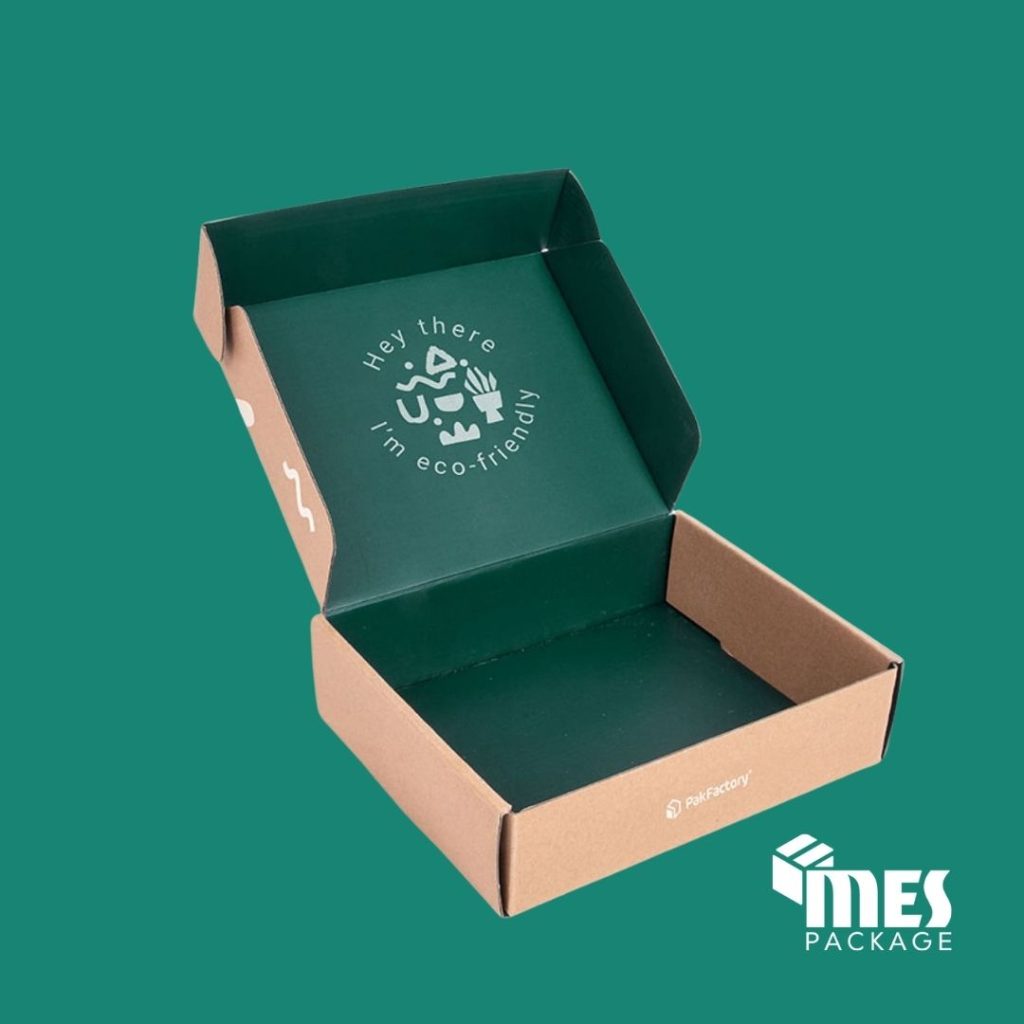
Our heavy-duty corrugated boards provide maximum structural integrity with zero plastic. By engineering custom internal cardboard fittings instead of foam or plastic inserts, we ensure the entire package enters standard recycling streams seamlessly without losing its load-bearing capacity.
FSC Certified Sourcing
Sustainable Industrial Packaging starts at the source. All raw materials used in our packaging solutions are procured from responsibly managed forests certified by the Forest Stewardship Council (FSC). This guarantees a fully traceable, legally compliant supply chain that satisfies strict EU and global environmental audits.
Biodegradable Inks & Glues
True eco-friendly Sustainable Industrial Packaging leaves no toxic trace. We utilize plant-based, water-soluble starches for bonding and eco-safe, water-based inks for custom branding. This precise engineering ensures that your industrial packaging remains 100% non-toxic and leaves zero chemical residue during decomposition or recycling.

Industry-Specific Green Applications - Sustainable Industrial Packaging
Sustainability is not a one-size-fits-all approach. At MES PACKAGE, we analyze the distinct structural demands, supply chain dynamics, and regulatory requirements of your specific sector. We engineer bespoke, eco-friendly packaging that replaces hazardous single-use plastics without compromising on structural strength or transit safety, allowing your business to meet global environmental goals seamlessly.
Sustainable Automotive Components Packaging
We engineer high-strength, multi-wall corrugated solutions specifically tailored for the heavy and complex demands of the automotive supply chain. By replacing traditional plastic thermoformed trays and foam inserts with custom-designed, 100% recyclable cardboard dividers, we guarantee safe transit for everything from gearboxes to delicate electronic components. Our designs are optimized for maximum stackability, weight reduction, and seamless integration into automated assembly lines.
Eco-Friendly Electronics & Appliance Boxes
Protecting sensitive electronics no longer requires hazardous plastics or EPS (Styrofoam). We design precision-cut corrugated structural cushioning and molded pulp inserts that offer superior shock absorption and strict drop-test compliance for consumer electronics and white goods. Our eco-friendly packaging features surface-protective linings to prevent scratches, ensuring your high-value products arrive in pristine condition while allowing your customers to recycle the entire package in a single bin.
Key principles of Sustainable Industrial Packaging
To make packaging sustainable, businesses need to rethink how it’s made, how they use it, and what happens afterward. The principles below offer a practical path forward.
Reduces environmental impact
Global plastic production is expected to rise by 70 per cent by 2040, reaching 736 million tonnes. This growth places added pressure on ecosystems, including the world’s forests.
Sustainable industrial packaging provides a lower-impact alternative. When sourced from responsibly managed forests, fibre-based materials like paper and cardboard help reduce reliance on fossil fuels and lower carbon emissions.
For businesses, these choices support sustainable forestry while meeting growing demand for environmentally responsible products.
Minimises waste
Sustainable packaging can use fewer resources and reduce the overall volume of materials needed. Common strategies include using recycled content and compostable materials, and designing packaging to eliminate excess space or layers.
Consumer demand reflects this shift. According to Trivium Packaging’s Buying Green report, 82 per cent of consumers across age groups said they are willing to pay more for products with sustainable industrial packaging.
Offering FSC-labelled packaging allows businesses to meet this demand and demonstrate a tangible commitment to sustainability. This approach helps reduce waste and positions businesses to meet changing consumer expectations while supporting a more circular economy.
Focuses on the entire lifecycle
Sustainable industrial packaging looks beyond the product and considers its total environmental footprint from start to finish.
This includes using responsibly sourced materials such as paper and cardboard from sustainably managed forests and production methods that minimise waste and reduce emissions.
Lifecycle considerations include:
- Sourcing: Use materials from responsibly managed forests to reduce pressure on natural ecosystems.
- Production: Choose manufacturing processes that minimise energy use, waste, and emissions.
- Design: Create recyclable, compostable, or reusable packaging to extend its life and reduce landfill waste.
- End-of-life: Ensure packaging can be properly recovered or reintegrated into the supply chain.
Taking a lifecycle approach allows businesses to support long-term sustainability goals and promote the health of forest ecosystems.
Reduces material use
Minimising material use helps reduce environmental impact without sacrificing product safety or quality. Common strategies include simplifying packaging design, removing unnecessary layers, and using materials that provide strength with less volume.
Right-sized packaging and more efficient systems further support material reduction and improve logistics. As adoption grows, the global market for recycled sustainable industrial packaging materials is expected to grow through 2030.
In 2024, the U.S. General Services Administration finalised a rule encouraging federal contractors to offer packaging free of single-use plastics. This shift underscores the growing expectation to reduce material use across sustainable industrial packaging systems.
Sustainable industrial packaging manufacturing processes
How packaging is made plays an important role in its overall sustainability. Energy-intensive or wasteful manufacturing can undermine even the most responsibly sourced materials.
Businesses can reduce their environmental footprint through practices like:
- Using energy-efficient equipment and systems
- Switching to renewable energy sources
- Minimising waste during production through reuse and recycling
Organisations like FSC© offer sustainability certifications that help businesses demonstrate their commitment to responsible manufacturing and meet recognised environmental standards.
4 Core Types of Sustainable Industrial Packaging Solutions
In today’s global supply chain, businesses have a wide range of options to lower their environmental impact while meeting the growing demand for responsible products. In fact, 79 per cent of consumers now actively seek out eco-friendly brands, forcing procurement managers to rethink their logistics. When optimizing your supply chain, implementing the right sustainable industrial packaging is no longer just a regulatory box to check—it is a major competitive advantage.
Explore four practical packaging solutions that support better material use and heavy-duty performance below.
1. Compostable Packaging
Compostable packaging is engineered to break down into natural elements under specific composting conditions, either at home or in industrial facilities. Unlike traditional plastics, it leaves zero toxic residue and returns vital nutrients to the soil.
While it is a highly practical option for the food and beverage sector—which currently leads the global green packaging market—integrating compostable elements into your broader sustainable industrial packaging strategy helps divert massive amounts of waste from landfills. It offers an excellent, eco-friendly alternative for single-use components and protective shipping layers.
Common industrial examples include:
PLA-based (polylactic acid) clear containers, bio-tapes, and cups
Paper-based wrappers coated with compostable biopolymers
Compostable padded envelopes or protective wraps for heavy-duty shipping
Biodegradable labels and structural stickers used in product tracking
2. Recyclable Packaging
Recyclable packaging forms the absolute backbone of modern sustainable industrial packaging systems. It relies on materials that can be efficiently collected, processed, and reused to manufacture entirely new items, keeping materials in a closed loop.
Adopting recyclable setups allows corporations to drastically cut down on industrial waste, support sustainable supply chains, and lower their overall carbon footprint. For instance, recycling paper generates 74% less air pollution and uses 50% less water compared to manufacturing paper from virgin raw materials.
At the same time, virgin fibers remain essential to sustain the recycling loop by providing the fresh, high-quality inputs needed to keep recycled materials in circulation without losing structural strength. When these structural fibers are sourced from responsibly managed, FSC-certified forests, they offer the ultimate high-performance alternative to fossil-based plastic packaging.
Common industrial examples include:
Heavy-duty corrugated cardboard boxes and custom shipping cartons
Rigid paperboard cartons, sleeves, and protective edge guards
Industrial glass jars and bulk bottles
Aluminum cans, tins, and metal transport containers
3. Biodegradable & Bio-Based Packaging
Bio-based and biodegradable options are rapidly changing the landscape of sustainable industrial packaging by utilizing renewable plant materials that naturally break down much faster than conventional plastics. These advanced materials support eco-friendly production and disposal by reducing long-term environmental accumulation.
They offer tangible corporate benefits, including faster decomposition rates, significantly fewer greenhouse gas emissions during manufacturing, and a much stronger appeal to eco-conscious commercial buyers. Industrial studies indicate that 73 per cent of B2B consumers now consider plastic-free, recyclable packaging an “essential” factor when selecting a long-term manufacturing supplier.
Common industrial examples include:
Bamboo-based molded containers, trays, and heavy inserts
Hemp fiber wraps, industrial pouches, and natural bindings
Cotton bags and textile-based protective component wraps
Straw-based packing materials and eco-friendly void fills
4. Reusable Packaging
Reusable packaging is custom-engineered for repeated use across multiple supply chain cycles without compromising on structural performance, safety, or durability. Reusable systems represent the highest tier of circularity in sustainable industrial packaging, stopping waste directly at the source.
While often overlooked in the past in favor of cheaper, single-use alternatives, reusable transport setups are gaining massive traction among global manufacturers. This structural approach offers immediate, tangible advantages for high-volume businesses, including significantly reduced long-term shipping costs, improved customer retention through return loops, and dramatically lower scope 3 emissions.
Common industrial examples include:
Heavy-duty glass or stainless steel industrial containers
Returnable plastic/composite shipping crates, pallets, and logistics totes
Heavy fabric component bags and multi-use shipping totes
Refillable bulk product jars or chemical dispensers
Rigid, reinforced cardboard gift boxes and presentation cases
Reusable fiber-based cooler boxes for temperature-sensitive freight
Request a Sustainable Industrial Packaging Solutions
Sustainability is not a one-size-fits-all approach. At MES PACKAGE, we analyze the distinct structural demands, supply chain dynamics, and regulatory requirements of your specific sector. We engineer bespoke, eco-friendly packaging that replaces hazardous single-use plastics without compromising on structural strength or transit safety, allowing your business to meet global environmental goals seamlessly.

Corrugated Cardboard
Definition: A versatile, general-purpose industrial material designed with optimized wave structures to provide consistent performance and reliable protection.Applications: Custom-branded packaging, protective outer shells, and tailored solutions for diverse manufacturing sectors.

Double Corrugated Cardboard
Definition: A high-strength structure composed of two corrugated fluting layers bonded between flat linerboards. Engineered for superior rigidity and heavy-duty load support.Applications: Industrial equipment, long-distance logistics, and high-stackability shipping requirements.

Single Wave Corrugated Cardboard
Definition: A lightweight and flexible packaging solution featuring a single corrugated fluting layer between two flat linerboards. Offers an optimal balance of structural integrity and versatility.Applications: Retail packaging, e-commerce fulfillment, and standard protective shipping containers.

Triplex Corrugated Cardboard
Definition: The most robust option in our range, featuring three corrugated fluting layers. It provides exceptional impact resistance and structural durability equivalent to wood crates.Applications: Export packaging, heavy industrial components, and high-value fragile goods.
Specialized Sustainable Industrial Packaging Solutions

While our corrugated range forms the industrial backbone of our operations, our expertise extends to a comprehensive suite of specialized packaging solutions. From high-quality paper and shopping bags to precision-cut boxes and hygienic food-grade packaging, we provide everything your brand needs to move from the warehouse to the consumer’s hands. Each item in this collection is designed with the same minimalist precision and structural integrity as our core products, ensuring that your secondary packaging reflects the same standard of quality as the product inside.